 |
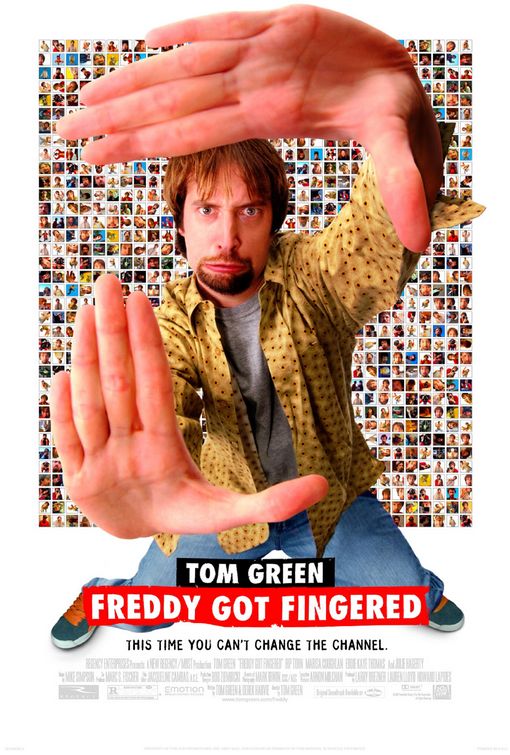
| They would never have allowed this |
Unlike film production today, movie studios used to treat the creation of a film in much the same way that a manufacturing industry would, with efficiency reigning king. Everyone from stars and writers to cinematographers and gaffers were put under contract, and indeed sometimes even traded around much like a piece of property. Many films were "authorless," with no particular director getting credit for a film. But most important was the ruthless efficiency with which these studios produced the films in question. By controlling every aspect of a film, the studio was able to keep costs down as well as ensure that a movie would be produced and marketed as quickly as possible. The studios kept all those involved in a film's production on site to reduce the time needed to assemble a film as well as to enable quick distribution.
 | |||
| Like old studios, he doesn't give a damn |
A clear example of the power and effectiveness of Vertical Integration is the year 1939, regarded by many to be one of the finest years in cinematic history. 1939 saw the release of several films considered to be amongst the greatest ever, such as The Wizard of Oz, Gone with the Wind, and Mr. Smith Goes to Washington, a feat which would not have been possible without the studio's rigid control of the film creation process. As noted in the film 1939: Hollywood's Greatest Year, such prodigious output would not be possible today, as the bureaucracy and costs associated with creating a film have skyrocketed exponentially since the golden years of Hollywood. Though many would consider the idea of Vertical Integration to be both monopolistic and exploitative of most of those in the film industry, one cannot deny the idea's role in creating an environment where studios could create vast amounts of high quality films at much reduced costs.


No comments:
Post a Comment